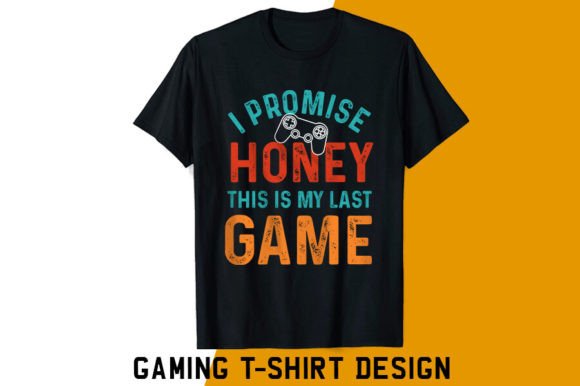
Funny Gaming T-shirt Design: A Real-World Review
As a designer who has spent years navigating the gap between digital mockups and physical stitched products, I approach every new asset with a critical eye. The market is flooded with T-Shirt Designs that look crisp on a screen but fall apart under the needle. Today, I am putting the Funny Gaming T-shirt Design through its paces to see if it holds up for real-world application in my studio. This isn't just about downloading a file; it is about understanding how this specific piece of Graphics translates into a tangible, sellable product.
First Impressions: Mood and Visual Personality
When I first opened the machine embroidery design file, the immediate impression was one of playful energy. The layout suggests a bold, humorous statement perfect for the gaming community. Unlike many generic assets that rely on overly complex shading, this design leans into strong outlines and clear shapes. For an embroidery project, clarity is king. If a design is too dense with tiny details, it becomes a nightmare to stitch on standard apparel. This particular asset strikes a balance that feels promising for both personal gifts and small shop merchandise.
The visual personality screams "fun," which is exactly what we need when targeting gamers or tech-savvy clients. However, the true test lies in how these lines convert to stitches. Does the software interpret the curves as smooth satin stitches, or does it break them into jagged fill areas? My initial scan suggests the vectors are clean, which usually means fewer editing headaches before you hit the "start" button on your machine.
From Screen to Fabric: A Practical Case Study
To truly evaluate the Funny Gaming T-shirt Design, I imagined a specific scenario: creating a custom embroidered tote bag for a local craft fair. Tote bags are a staple for any Etsy seller or craft business owner because they offer a large canvas and high visibility. I visualized placing this design on a sturdy cotton canvas. The humor would pop against the neutral background, making it an instant conversation starter.
Now, let's shift that same design to a heavy cotton sweatshirt. Sweatshirts have a textured surface that can sometimes swallow delicate details. In this context, the Funny Gaming T-shirt Design needs to maintain its integrity without looking muddy. Because the design appears to use distinct shapes rather than micro-details, it should translate well to a fleece or heavy knit fabric. The key here is ensuring the stitch density is high enough to cover the fabric texture but not so high that it puckers the material.
I also considered using this as an embroidered patch. Patches require very specific structural integrity. If the design relies heavily on running stitches for fine lines, it might fray over time on a patch. However, if the core elements utilize solid fill stitch, it will create a durable badge that gamers can attach to their backpacks or jackets. This versatility makes the asset valuable for a diverse range of finished product ideas.
Navigating Fabric Challenges and Hoop Limitations
While the design looks great on paper, practical application requires caution with certain materials. If you plan to use this on thin jersey fabric, you must be extremely careful. The weight of the thread can distort lightweight t-shirts, especially if the hoop size is too large or the tension is off. Always test the design on scrap fabric first. You do not want to ruin a client's favorite shirt because the stabilizer wasn't appropriate for the fabric weight.
Textured fabrics like linen or denim present another challenge. On a dark, textured background, lighter thread colors might get lost unless the design uses a backing layer of dense stitching. Since this is a digital embroidery file, you have the flexibility to add a block of white fill behind the main graphics if needed. Just remember that adding layers increases the stitch count and the risk of puckering.
Curved surfaces, such as baseball caps, are another area where this design needs scrutiny. If the Funny Gaming T-shirt Design includes long, straight horizontal lines, they may struggle to conform to the curve of a cap front. It is often necessary to break long runs of stitching into shorter segments to allow the needle to pivot smoothly. Before committing to a full run of caps, make a single sample to ensure the geometry holds up on a curved plane.
Small Details and Washability
One of the biggest pitfalls in commercial embroidery is tiny lettering. If this design includes a tagline or small text at the bottom, it might disappear after a few washes. Gamers love detailed references, but in embroidery, legibility trumps complexity. If the text is smaller than 0.5 inches, I strongly advise simplifying it or removing it entirely for larger production runs. The goal is a handmade product that looks professional even after months of wear.
Furthermore, consider the washing habits of your customer base. A design with high thread color contrast is visually striking, but dark threads on light fabric (or vice versa) can show lint accumulation more quickly. Ensure the stitching is tight enough to prevent snagging but loose enough to breathe during the wash cycle. Properly secured ends are non-negotiable for a personalized gift that needs to last.
Boosting Product Value and Brand Consistency
For small business owners, the quality of your design assets directly impacts customer trust. A sloppy, misaligned embroidery job can damage your reputation faster than a bad review. Using a well-structured file like the Funny Gaming T-shirt Design ensures consistency across your inventory. When every sweatshirt embroidery order looks identical and sharp, customers perceive higher value.
This design also offers excellent potential for holiday embroidery projects. Imagine bundling this with seasonal themes for a limited-time drop. The playful nature of the graphic fits perfectly with holiday gift guides, making it a strong candidate for Q4 sales. Whether you are selling baby embroidery items for young gamers or adult apparel, the ability to adapt the design to different demographics increases its commercial viability.
Practical Designer Notes for Success
- Test First: Never skip the test run on scrap fabric. Check for skipped stitches, tension issues, or unwanted puckering.
- Stabilizer Choice: Match your stabilizer to the fabric. Use cut-away for stretchy knits and tear-away for wovens.
- Color Contrast: Ensure the thread colors stand out against the garment. Test the design in black and white mockups to check visibility.
- Licensing Check: Before selling finished items, confirm the licensing terms. While the description mentions it is available for print items, always verify if there are restrictions on commercial resale of the physical goods.
- Mockup Accuracy: Create realistic printable mockups to show customers exactly how the finished product will look, managing expectations effectively.
In conclusion, the Funny Gaming T-shirt Design presents a solid opportunity for decorators looking to expand their catalog with something fun and engaging. It avoids the common trap of being overly complicated, focusing instead on bold shapes that translate well to thread. By respecting the limitations of different fabrics and taking the time to test your settings, you can turn this digital file into a high-quality, profitable addition to your shop. Whether you are crafting a tote bag design for a friend or launching a line of custom apparel, this asset offers the reliability needed for professional results.