Funny Black History Month T-Shirt Design Review
As a designer who has spent years navigating the fine line between digital art and physical thread, I approach every new asset with a critical eye. When I first opened the Funny Black History Month T-Shirt Design, my immediate goal was to determine if this graphic could survive the translation from screen to fabric. In the world of machine embroidery design, a pretty image on a monitor means nothing if it doesn't stitch cleanly or hold up after a wash. This review breaks down how this specific asset performs in real-world scenarios for crafters, small business owners, and commercial decorators.
First Impressions: Visual Weight and Theme
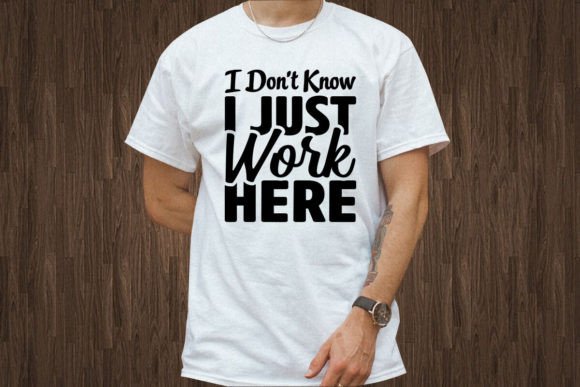
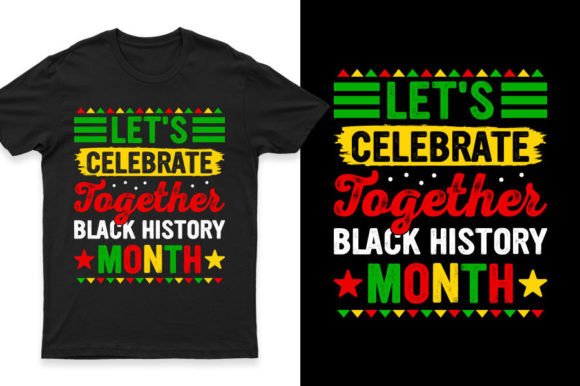
The initial look of the Funny Black History Month T-Shirt Design suggests a bold, celebratory mood. The layout appears structured for impact, which is essential when creating custom apparel meant to make a statement. Unlike intricate floral patterns that require microscopic precision, this design leans into larger shapes and clear lines. For an Etsy seller or boutique owner looking to stock holiday merchandise, this visual personality is a strong selling point. It feels like a piece designed to be seen from a distance, whether on a bustling street corner or in a crowded classroom.
However, the "funny" aspect of the title implies a level of wit or satire that must be handled carefully. In embroidery, humor often relies on legibility. If the text or the punchline of the graphic gets lost in dense fill stitch, the joke falls flat. My first instinct upon reviewing the vector paths was to check the kerning and spacing. A successful embroidery project depends on the balance between the graphical elements and any accompanying text. If the design relies heavily on tiny lettering to deliver its message, it may struggle on textured fabrics like fleece or heavy canvas.
Testing the Waters: A Real-World Sweatshirt Scenario
To truly evaluate this asset, I imagined a specific use case: preparing a batch of heavyweight crewneck sweatshirts for a local community event. Sweatshirts are tricky because the fabric loops can hide details, and the thickness requires significant stabilizer support. I loaded the Funny Black History Month T-Shirt Design into my digitizing software to simulate the stitching process.
The design's scalability is a major advantage here. Since the product description notes that the file contains 100% vector shapes, resizing the artwork to fit a large chest area on a men's XL sweatshirt should not result in pixelation. This is crucial for sweatshirt embroidery, where you need the design to remain crisp even when enlarged. However, I would strongly advise checking the stitch density before running the final production. If the vectors are too complex, the machine might create a puckered mess on thick cotton blends. In this scenario, simplifying the underlay and ensuring the top layer uses a balanced mix of satin stitch and fill is vital for a professional finish.
Color Contrast and Fabric Choices
One of the most exciting features listed is the ability to easily change colors. For a handmade product line, this flexibility allows for seasonal variations or brand alignment. Imagine offering the same design in gold thread on black fabric for a premium look, or vibrant reds and greens on white for a festive pop. But color choice isn't just about aesthetics; it's about visibility. On dark fabrics, you will need a solid underlay to ensure the bright threads of the Funny Black History Month T-Shirt Design don't get swallowed by the background.
I also considered using this design on a tote bag. Canvas is a forgiving fabric, but the weave can be coarse. If the design includes very fine lines or delicate curves, they might not stitch out smoothly on a rough canvas surface. In such cases, using a tear-away stabilizer becomes non-negotiable to prevent the fabric from distorting during the hoop time. The design seems robust enough for a tote, provided the hooping technique is precise and the tension is dialed in correctly.
Navigating Potential Pitfalls
While the versatility of this Graphics package is appealing, there are areas where caution is required. Small hoop sizes are a common trap. If you attempt to stitch this design in a 4x4 inch hoop, you risk breaking the design apart, which ruins the flow and integrity of the image. Always verify the recommended hoop size against your machine's capabilities. If the design is too large, consider splitting it into sections, though this adds complexity and time to your workflow.
Another concern is the application on stretchy fabrics like jersey knit. Without the proper cutaway stabilizer, the Funny Black History Month T-Shirt Design could cause the fabric to pucker or warp as the stitches pull tight. This is especially true for baby clothes or fitted t-shirts. Before committing to a full run of personalized gifts, always test the design on a scrap piece of the exact fabric you intend to use. Check how the threads settle and whether the design breathes with the fabric or fights against it.
Detailed corners and tiny elements are also potential failure points. If the design features sharp angles or minute details, these are the first things to fail when the machine runs at high speed. Slowing down the machine and ensuring the needle is fresh can mitigate this, but sometimes a slight adjustment to the vector paths is necessary to round off sharp corners for better thread flow.
Commercial Viability and Professional Presentation
For the craft business owner, the value of this design lies in its ability to enhance product perception. A clean, well-executed embroidery job signals quality. When customers see a sharp, vibrant finished product, their trust in your brand increases. The Funny Black History Month T-Shirt Design has the potential to be a flagship item for February collections, driving engagement and sales if presented correctly.
However, remember that you are selling more than just a picture; you are selling a tactile experience. The texture of the thread, the smoothness of the back, and the durability of the stitch all contribute to the customer's satisfaction. Using high-quality thread colors that match the vibrancy of the original digital file is essential. Dull or mismatched thread can make even the best design look cheap.
Before listing these items on your shop or offering them as commercial embroidery services, double-check the licensing terms. While the product description mentions multiple file formats (AI, EPS, SVG, PNG), it does not explicitly state the commercial rights for finished goods. Ensure you have the right to sell items created with this design to avoid legal issues down the road. Clarity here protects your business reputation.
Final Designer Notes and Recommendations
In conclusion, the Funny Black History Month T-Shirt Design offers a solid foundation for various projects, from holiday embroidery to everyday wear. Its vector nature ensures it remains sharp at any size, making it suitable for everything from embroidered patches to large garment prints. To get the best results:
- Test on Scrap Fabric: Never skip the test run on the actual material you plan to use.
- Check Stabilizer Needs: Use tear-away for stable fabrics and cut-away for knits or stretchy materials.
- Verify Stitch Density: Adjust settings if the design looks too heavy or causes puckering.
- Review Color Contrast: Ensure the thread stands out against the fabric background.
- Confirm Licensing: Read the terms carefully before selling finished products.
By treating this digital embroidery file with the care and technical attention it deserves, you can transform a simple graphic into a high-quality, marketable product. Whether you are a hobbyist making a personalized gift or a professional decorator fulfilling a bulk order, the key lies in preparation and execution. With the right approach, this design can become a standout piece in your collection, celebrating culture with style and substance.