Funny Saying Shirt: A Designer's Real-World Review
As a professional graphic designer who has spent years navigating the intersection of digital art and physical stitching, I approach every new Funny Saying Shirt design with a critical eye. The market is flooded with generic graphics, but finding a piece that translates well from screen to fabric requires a specific set of skills and a keen understanding of how thread behaves under tension. When I first opened this print-ready file, my immediate goal wasn't just to admire the concept, but to evaluate its viability for real-world embroidery projects. Does it hold up when stitched? Will it survive the wash cycle? Most importantly, will it sell in a boutique or on Etsy?
First Impressions: Visual Personality and Layout
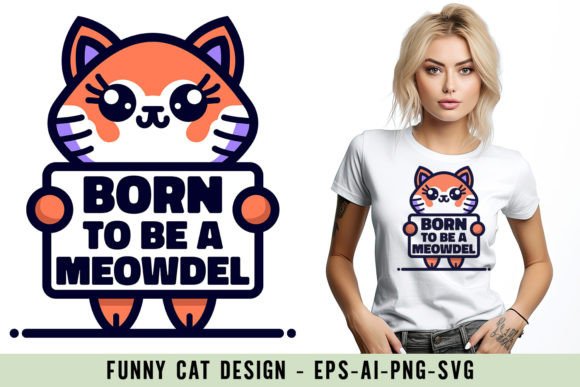
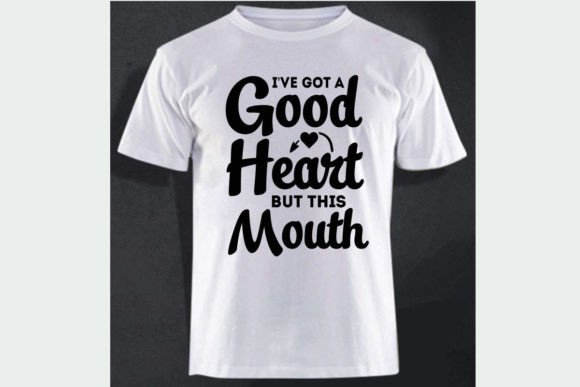
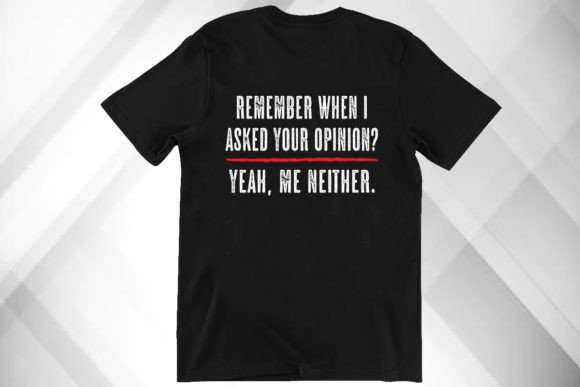
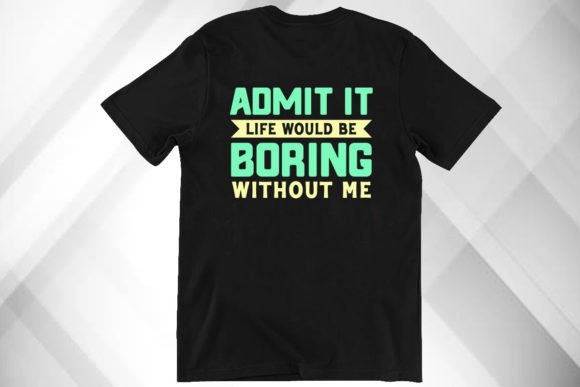
The initial view of the Funny Saying Shirt design reveals a bold, straightforward layout typical of successful T-Shirt Designs. The visual personality is playful yet structured, which is essential for humorous text-based graphics. Unlike overly complex illustrations that can get lost in the stitching process, this design prioritizes clarity. The shape and theme suggest a lighthearted mood, perfect for casual wear or personalized gifts. However, as an experienced reviewer, I immediately started mentally mapping out the stitch types. The clean lines indicate a strong potential for crisp satin stitch borders, while the larger areas likely rely on efficient fill stitch patterns.
What stands out is the balance between negative space and ink density. In the world of machine embroidery design, this balance is crucial. Too much density leads to puckering, especially on lightweight fabrics, while too little can make the design look cheap. This particular Graphics asset seems to strike a middle ground, offering enough substance to look professional without overwhelming the garment. It feels like a design that was created with the end product in mind, rather than just a digital doodle.
Real-Life Application: From File to Finished Product
To truly test the waters, I imagined using this Funny Saying Shirt design on a custom embroidered tote bag for a local craft fair. Tote bags are a staple for small business owners and Etsy sellers because they offer a large, flat canvas. In this scenario, the design would likely pop against a natural canvas background. The humor would be immediately visible, drawing customers in. The layout is versatile enough to work as a central focal point or even as part of a larger composition involving other design assets.
Consider also a sweatshirt embroidery project for a holiday gift line. During the winter season, people love cozy items with a touch of personality. If you were to place this design on the chest of a dark gray sweatshirt, the contrast would be key. The thread colors would need to be carefully selected to ensure the text remains legible. For baby embroidery, perhaps a softer color palette could transform the same design into a cute onesie print, provided the font size is adjusted for safety and comfort. The adaptability of this embroidery file makes it a valuable addition to any commercial embroidery portfolio.
For those creating personalized gifts, such as aprons for home cooks or pillow covers for dorm rooms, the Funny Saying Shirt concept offers endless possibilities. Imagine a kitchen towel with this witty phrase; it becomes a conversation starter every time someone dries their hands. The design's simplicity ensures that it doesn't compete with the texture of the fabric, allowing the craftsmanship to shine through. Whether you are a hobbyist making items for family or a craft business owner scaling production, this design fits seamlessly into various product lines.
Navigating Challenges: Fabric and Hoop Considerations
While the design is promising, there are scenarios where caution is required. If you plan to use this on thin fabric, such as a light cotton t-shirt, the stitch density must be scrutinized. High-density fills can cause the fabric to pucker, ruining the drape of the garment. Always test the design on scrap fabric first to see how the material reacts. Similarly, on stretchy fabrics like jersey knit, the stability of the design depends heavily on the quality of the stabilizer used. Without proper backing, the stitches may distort over time.
Curved surfaces present another challenge. If you decide to adapt this Funny Saying Shirt design for a cap or hat, the curvature might affect the legibility of smaller text elements. You may need to adjust the hoop size or break the design into smaller sections to accommodate the curve. Additionally, detailed corners can sometimes result in thread breaks if the machine speed is too high. Inspecting small details before running a full production batch is a non-negotiable step for any professional.
Dark fabrics require special attention regarding thread colors. Light-colored threads on dark backgrounds need a solid underlay to prevent the fabric color from showing through. If the design includes fine lines, they might disappear on textured fabrics like fleece or heavy denim. In these cases, simplifying the design or increasing the thickness of the strokes might be necessary to maintain visual appeal.
Practical Notes for the Professional Embroiderer
Before committing to a large run of products, always perform a test stitch on a similar fabric to your final project. Check the running stitch outlines to ensure they are smooth and free of gaps. Review the stitch density to confirm it isn't too tight, which could tear the fabric, or too loose, which could leave holes. Confirming the correct hoop size is vital; forcing a design into a hoop that is too small can lead to registration errors.
Inspect the small details closely. Sometimes, what looks clear on a monitor gets muddy when stitched. Test the design in black and white mockups to see how the contrast holds up without the distraction of color. Compare the design on both light and dark fabric backgrounds to understand how different thread colors will interact. Using the proper stabilizer is the backbone of a successful embroidery project; never skip this step.
Finally, consider the licensing. While this print ready file is offered by a professional graphic designer, always confirm whether the license allows for selling finished items or digital products. If you are planning to use this for a small shop product or as a digital product seller, ensure you have the rights to do so. Understanding these legalities protects your business and maintains your reputation as a trusted creator.
Final Verdict: Value and Versatility
In conclusion, the Funny Saying Shirt design is a robust option for anyone looking to add a touch of humor to their handmade product line. Its clean layout and adaptable nature make it suitable for a wide range of applications, from custom apparel to holiday embroidery projects. While it requires careful consideration of fabric type and stabilizer choice, the potential for creating high-quality, engaging products is significant. For the savvy Etsy seller or the seasoned decorator, this design offers a reliable foundation for building customer trust and enhancing brand consistency.
Whether you are creating an embroidered patch, a tote bag design, or a unique personalized gift, this asset demonstrates that good design is about more than just aesthetics; it's about functionality and execution. By following best practices and testing thoroughly, you can ensure that your finished product not only looks great but also stands the test of time. This is exactly the kind of practical, thoughtful design that elevates a simple t-shirt into a memorable piece of wearable art.