I Love My Super Hot Lineman Husband: A Designer’s Review
As an embroidery designer who has spent years digitizing and stitching thousands of projects, I have learned that the success of a finished product rarely depends on the machine alone. It hinges on the design’s inherent clarity, its adaptability to different fabrics, and its emotional resonance with the end user. Recently, I evaluated the I Love My Super Hot Lineman Husband graphic to determine its viability for real-world commercial and personal embroidery applications. This is not just a casual glance at a trending phrase; it is a practical assessment of how this specific artwork translates from a digital screen to a stitched reality.
First Impressions and Visual Personality
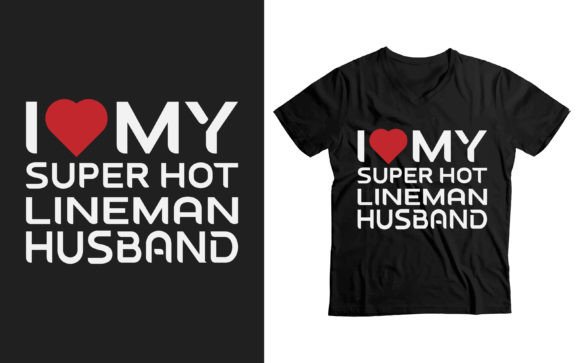
The immediate mood of the I Love My Super Hot Lineman Husband design is playful, affectionate, and bold. It captures a specific niche of pride often seen in blue-collar communities, blending humor with genuine admiration. From a layout perspective, the typography appears designed to be legible even at smaller scales, which is crucial for embroidery where fine details can easily get lost in thread buildup. The visual personality suggests a design that belongs on casual wear rather than formal attire. It feels native to the world of T-Shirt Designs and casual Graphics, but its potential extends further when we consider the texture and dimension that machine embroidery adds.
When I first loaded the file into my editing software, I looked for clean vector paths and logical color separation. A well-structured design saves time during the digitizing or pre-production phase. This particular piece seems to rely on strong contrast, which is excellent for visibility. However, any designer knows that what looks good on a white background in a PDF might behave differently on a heather grey sweatshirt or a navy cap.
Real-World Application Scenarios
To truly test the value of this design, I imagined several production scenarios. The most obvious application is custom apparel. Picture a customer ordering a personalized gift for their partner who works in electrical utilities. Stitching this design onto a high-quality cotton t-shirt creates an instant conversation starter. But let us look beyond the standard tee. Imagine this as a sweatshirt embroidery project. The thicker fabric of a hoodie provides a stable base for fill stitches, allowing the text to pop without puckering. The humorous tone fits perfectly with the cozy, relaxed vibe of weekend wear.
Another strong candidate is the tote bag design. Canvas bags are durable and flat, making them ideal for larger, statement pieces. If you are an Etsy seller or run a small shop product line, offering this on tote bags could appeal to spouses who want to show support in a subtle yet stylish way. The design’s horizontal layout likely suits the wide surface area of a bag well. Additionally, consider embroidered patch production. Patches are versatile; they can be ironed onto jackets, hats, or work bags. A patch allows the customer to move the design between garments, increasing the perceived value of the handmade product.
For those focusing on baby embroidery or nursery decor, this specific phrase might be less appropriate due to the "Super Hot" descriptor, but the stylistic elements could be adapted. However, for adult gifts, such as anniversary presents or Valentine’s Day surprises, it hits the mark. It serves as a unique personalized gift that stands out from generic store-bought items.
Technical Considerations for Stitching
While the aesthetic is appealing, the technical execution requires careful planning. Embroidery is unforgiving of poor preparation. Here are the critical factors I considered when evaluating this design for production:
- Fabric Texture and Stability: Textured fabrics like terry cloth or heavy fleece can obscure small details. If you are using this on a towel or a thick blanket, ensure the lettering is large enough to remain readable. Thin or stretchy fabrics, such as performance tees, require a high-quality cut-away stabilizer to prevent distortion during stitching.
- Stitch Density and Type: Without seeing the exact stitch file, one must assume a mix of fill stitch for larger areas and satin stitch for borders or smaller text. High density can cause fabric puckering, especially on caps. If you are digitizing this yourself or buying a pre-made digital embroidery file, check the density settings. Too many stitches in a small area will break needles and frustrate customers.
- Hoop Size Constraints: Verify that the design fits within your available hoop size. If the phrase is long, it might require a 5x7 or larger hoop. Attempting to squeeze a wide design into a 4x4 hoop will result in cramped, illegible text. Always measure twice before hitting start.
- Thread Color Contrast: The success of this design relies heavily on contrast. On dark fabrics, use light or metallic threads. On light fabrics, bold colors work best. Test your thread colors on scrap fabric first. A black thread on a navy shirt might disappear, ruining the effect.
Navigating Challenging Surfaces
Not every item is created equal. Curved surfaces like baseball caps present a challenge for horizontal text designs. The curvature can distort the perception of the letters. If you plan to offer this as part of your commercial embroidery services, consider creating a version specifically optimized for caps, perhaps with slight arching or reduced width. Similarly, avoid placing dense stitch areas near seams or zippers, as this can damage both the garment and your machine.
For items that undergo frequent washing, such as custom apparel or kitchen towels, durability is key. Ensure that the underlay stitches are sufficient to anchor the design. A poorly anchored design will loosen and fray after a few cycles, damaging your reputation as a quality provider. This is where the difference between a hobbyist and a professional becomes apparent.
Business Value and Brand Consistency
From a business perspective, offering niche-specific designs like I Love My Super Hot Lineman Husband can help you stand out in a crowded market. It appeals to a specific demographic, fostering a sense of community and belonging. When customers see a design that speaks directly to their life experience, they are more likely to engage and purchase. This boosts buyer engagement and builds trust in your brand.
However, consistency is vital. If your shop focuses on elegant, minimalist wedding embroidery, this playful, bold graphic might clash with your brand identity. Ensure that any new design assets you introduce align with your overall aesthetic. For shops specializing in humorous or occupational pride items, this design is a perfect fit. It enhances your catalog by providing variety while maintaining thematic relevance.
Final Practical Notes for Designers
Before adding this to your production queue, take these final steps. First, always confirm the licensing terms. Since this product is provided by “Creative T-shirt Designer,” visit their Creative Fabrice store to review the specific license agreement. Ensure you have the rights to use the design for commercial purposes if you intend to sell finished items. Second, create printable mockup previews to show customers how the design looks on different products. This helps manage expectations and reduces return rates.
Finally, treat every stitch as a reflection of your craftsmanship. Whether you are creating a holiday embroidery gift or a batch of shirts for a local union event, the quality of your work speaks louder than any marketing copy. By carefully selecting materials, testing on scraps, and respecting the technical limits of your machine, you transform a simple graphic into a cherished finished product. The I Love My Super Hot Lineman Husband design has the potential to be a bestseller, provided it is executed with the precision and care that professional embroidery demands.