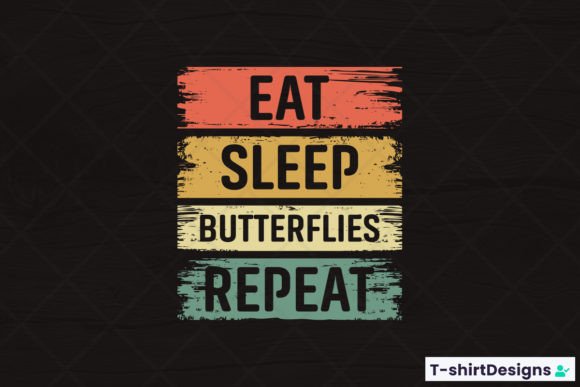
Eat Sleep Butterflies Repeat: A Designer’s Stitch Review
When I first pulled up the Eat Sleep Butterflies Repeat file on my digitizing screen, I wasn’t looking for complexity. I was looking for charm. In the world of machine embroidery design, there is a distinct difference between a graphic that looks good on a monitor and one that translates beautifully into thread. This particular piece falls squarely into the category of whimsical lifestyle graphics, a popular niche for T-Shirt Designs and casual apparel. As an experienced reviewer, I approach every new embroidery file with a critical eye toward stitch path, density, and end-user application. Here is my practical assessment of how this design performs in real-world scenarios.
First Impressions and Visual Personality
The immediate mood of Eat Sleep Butterflies Repeat is lighthearted and relaxed. It plays on the familiar "Eat Sleep Repeat" trope but injects a specific passion—butterflies—that appeals to nature lovers, gardeners, and those who appreciate gentle humor. Visually, the layout relies on a balance between typography and illustrative elements. For embroidery, this is crucial. If the text is too thin or the butterfly details are too intricate, the design will lose clarity once stitched out.
From a design perspective, the strength here lies in its simplicity. It does not attempt to be a photorealistic portrait. Instead, it uses bold shapes and clear lines that suggest a satin stitch or a clean fill stitch approach. This makes it versatile. It feels like a design that belongs on a Sunday morning sweatshirt or a canvas tote bag carried to a local farmers' market. It lacks the aggressive branding of corporate logos, opting instead for a friendly, handmade aesthetic that resonates with buyers looking for personalized gifts.
Real-World Application: The Tote Bag Test
To truly evaluate Eat Sleep Butterflies Repeat, I imagined it applied to a heavy-weight cotton canvas tote bag. This is a staple product for many Etsy sellers and craft business owners. On canvas, the texture of the fabric can sometimes swallow small details. However, because this design leans into broader strokes and readable text, it holds up well. The contrast between the thread and the natural beige of the canvas would be striking, especially if using deep greens, purples, or blues for the butterfly elements.
I also considered its use in custom apparel. Imagine this embroidered on the left chest of a heather grey hoodie. The placement is subtle yet expressive. It transforms a basic garment into a statement piece without being overwhelming. For small shop product lines, this kind of versatility is gold. It allows you to offer the same design assets across multiple product types, from sweatshirt embroidery to kitchen linens, maximizing your return on investment for the digital file.
Navigating Technical Challenges
While the design is charming, it requires careful handling during the stitching process. One must be mindful of stitch density. If the butterfly wings are filled too densely, they can cause puckering, especially on lighter fabrics like cotton tees or baby clothes. I recommend testing the design on scrap fabric first to gauge how the machine handles the transition between the text and the graphic elements.
Another consideration is the hoop size. Ensure that the design fits comfortably within your standard hoops without requiring excessive repositioning, which can lead to alignment errors. For curved surfaces like caps or hats, this design might need adjustment. The horizontal layout of the text could distort on a highly curved front panel. In such cases, scaling down the design or adjusting the pull compensation settings is essential to maintain legibility.
Fabric choice matters immensely. On stretchy materials, a proper stabilizer is non-negotiable. Without it, the running stitch outlines and fill areas may shift, resulting in a messy finished product. For dark fabrics, consider using a lighter thread color for the text to ensure readability, or add a white underlay if the digitizing allows for it. Always check the thread colors against your fabric background before committing to the final stitch-out.
Commercial Viability and Brand Consistency
For commercial embroidery projects, Eat Sleep Butterflies Repeat offers strong potential. It taps into the evergreen market of hobbyist and nature-themed apparel. Customers often seek items that reflect their identity, and this design speaks directly to that desire. It enhances the perceived value of a handmade product because it looks intentional and well-crafted, rather than mass-produced.
However, professionalism is key. Before listing this as a digital embroidery file or selling finished items, verify the licensing terms. Not all designs are cleared for commercial use. Assuming the license permits it, this design can be a cornerstone for seasonal collections, particularly in spring and summer when butterfly motifs are most relevant. It also works well for holiday embroidery gifts, such as Mother’s Day or birthdays for gardening enthusiasts.
Practical Notes for the Embroiderer
Before you load this design into your machine, take a moment to review the technical specs. Check if the file format matches your machine’s requirements. Inspect the small details of the butterfly wings—are they too fine for your needle size? A 75/11 needle might be necessary for finer details, while a 90/14 might be better for heavier fabrics.
- Test on Scrap: Always stitch a sample on similar fabric to check for puckering or thread breaks.
- Contrast Check: View the design in black and white to ensure the text remains legible without color cues.
- Stabilizer Selection: Use cut-away stabilizer for stretchy knits and tear-away for stable wovens.
- Thread Quality: High-quality polyester or rayon thread will enhance the sheen of the butterfly wings.
In conclusion, Eat Sleep Butterflies Repeat is a solid addition to any designer’s library. It balances whimsy with practicality, making it suitable for a wide range of embroidery project types. Whether you are creating a personalized gift for a friend or stocking your small shop product inventory, this design delivers visual appeal with manageable technical demands. Just remember to respect the material constraints and prioritize quality execution to ensure the finished product meets the high standards your customers expect.