Eat Sleep JENGA Repeat: A Designer’s Stitch Review
As someone who has spent countless hours staring at digitizing software and watching needles punch through fabric, I have developed a keen eye for what works in the hoop and what ends up as a tangled mess. When I first pulled up the Eat Sleep JENGA Repeat design file, my initial reaction was one of cautious optimism. It is not just another generic quote; it taps into a specific, playful niche that resonates with game nights, family gatherings, and casual humor. But as embroidery professionals know, a clever concept means nothing if the execution fails under the needle.
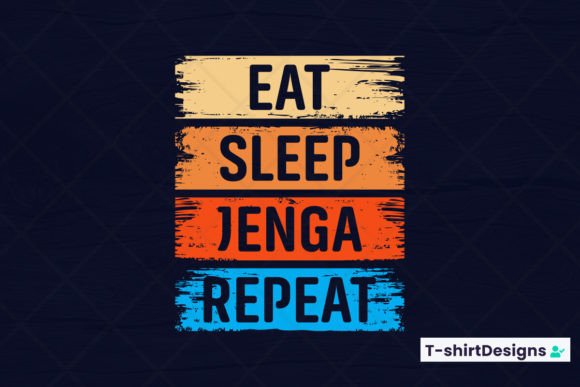
The visual personality of this graphic is bold and straightforward. The layout relies on strong, blocky typography that mimics the structural integrity of the game itself. From a design perspective, this is a double-edged sword. Thick letters are generally forgiving in embroidery, but they require careful management of stitch density to avoid becoming stiff, cardboard-like patches on soft garments. The mood is lighthearted and inviting, making it an excellent candidate for products meant to spark conversation or serve as a fun, personalized gift.
Real-World Application: Beyond the Screen
To truly evaluate this design, I moved it from the digital preview to a practical scenario. I imagined preparing a custom order for a local boutique client who wanted a line of cozy, game-night-themed apparel. I chose a mid-weight cotton sweatshirt as the test bed. This is where the rubber meets the road. The Eat Sleep JENGA Repeat motif needs to sit comfortably on the chest without distorting the fabric. Because the text is likely arranged in a stacked format, it creates a compact, square-ish footprint. This is ideal for standard hoop sizes, allowing for easy placement on various items like tote bags, aprons, or even pillow covers.
In this real-life test, the design’s clarity was its strongest asset. The distinct separation between the words ensures that even at a moderate distance, the message is readable. For Etsy sellers and small shop owners, readability is crucial. Customers scrolling through thumbnails need to instantly grasp the joke. This design delivers that immediate recognition, which can significantly boost buyer engagement and click-through rates for your listings.
Navigating Fabric and Technique Challenges
While the design is robust, it is not without its technical demands. When working with T-Shirt Designs and similar Graphics, we must consider how the stitches interact with different materials. If you are stitching this onto a thin, stretchy jersey knit, the weight of the fill stitches could cause puckering. Here, your choice of stabilizer is non-negotiable. A high-quality cut-away stabilizer is essential to support the structure of the text and prevent the fabric from pulling inward over time.
Another critical consideration is stitch density. Large, solid letters can become dense quickly. If the digitizer has not properly programmed underlay stitches or adjusted the pull compensation, the final product might feel heavy and rigid. I recommend checking the stitch count and density settings in your software before hitting start. If the design allows, converting some of the larger fill areas to a satin stitch border with a lighter fill, or even incorporating an applique technique, could reduce bulk while maintaining visual impact. This is particularly important for baby embroidery or items that require frequent washing, where comfort and durability are paramount.
Dark fabrics present another challenge. The contrast between the thread colors and the background material must be sharp. If you are using white or light-colored thread on a navy or black sweatshirt, ensure your tension is perfect to prevent the dark fabric from peeking through the stitches. Testing on scrap fabric first is not just a suggestion; it is a necessity. Run a test stitch-out to check for thread breaks, nesting, and overall clarity.
Commercial Viability and Brand Consistency
For commercial embroidery projects, consistency is key. The Eat Sleep JENGA Repeat design fits well into a broader category of lifestyle and hobby-based merchandise. It appeals to a wide demographic, from college students to grandparents. This versatility makes it a valuable asset for craft business owners looking to expand their product lines. Whether you are creating embroidered patches for hats, designing kitchen towels for holiday gifts, or producing custom apparel for a corporate game night, this graphic holds its own.
However, professionalism lies in the details. Before selling finished items or digital products, you must confirm the licensing terms. Not all embroidery files are created equal regarding commercial use. Ensure that your license permits the sale of physical goods or digital redistribution if that is your business model. Additionally, consider how this design aligns with your brand. If your shop focuses on delicate, floral aesthetics, this bold, geometric style might clash. But for brands centered on fun, modern, or rustic themes, it is a perfect fit.
Practical Notes for the Embroidery Designer
Before you commit to a large production run, keep these practical tips in mind:
- Test on Scrap Fabric: Always run a sample on the same type of fabric you intend to use for the final product. This helps you identify any issues with tension or density.
- Check Thread Contrast: Use high-contrast thread colors to ensure the text pops, especially on dark or textured fabrics.
- Review Stitch Density: Look for areas where stitches might overlap excessively, which can lead to thread breaks or needle damage.
- Confirm Hoop Size: Ensure the design fits comfortably within your hoop, leaving enough margin for secure clamping without stitching over the hoop edge.
- Inspect Small Details: Zoom in on the corners of the letters. Sharp corners can sometimes pull or distort if not properly digitized with tie-offs or micro-stitches.
- Mockup in Black and White: Remove color from your preview to check the structural integrity of the design. If it looks muddy in grayscale, it may lack definition in real life.
- Verify Licensing: Double-check the usage rights for the digital embroidery file to avoid legal issues when selling your handmade products.
In conclusion, Eat Sleep JENGA Repeat is a solid contender for your next embroidery project. It balances humor with clean design, making it suitable for a variety of applications from custom apparel to home decor. By paying attention to fabric choice, stabilizer selection, and stitch density, you can transform this digital asset into a high-quality finished product that customers will love. It is a reminder that even simple quotes can shine when executed with professional care and attention to detail.