Funny Chess Loading Sublimation: A Designer’s Review
As an embroidery designer who has spent countless hours digitizing, stitching, and troubleshooting designs for clients, I approach every new machine embroidery design with a mix of curiosity and skepticism. We have all been there: you download a file that looks stunning in the preview thumbnail, only to find it is a nightmare of excessive stitch density or confusing color changes once it hits the hoop. Today, I am taking a close look at Funny Chess Loading Sublimation, evaluating it not just as a digital asset, but as a viable component for real-world craft projects and commercial products.
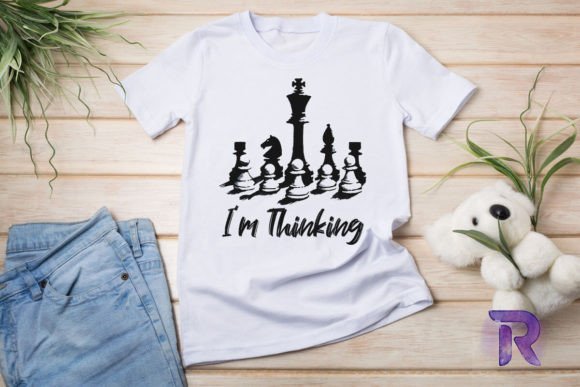
The first impression of this design is undeniably playful. The concept of a "loading" bar combined with chess imagery taps into a niche yet passionate audience. For those of us who create custom apparel or handmade product lines, finding graphics that resonate with specific hobbies is gold. The visual personality here is modern and witty, moving away from traditional, stiff heraldic chess motifs into something that feels current and relatable. It suggests patience, strategy, and a bit of humor—traits that appeal strongly to the gaming and chess communities.
Real-World Application and Stitching Potential
When I consider where Funny Chess Loading Sublimation fits best, my mind immediately goes to casual wear and accessories. This is not a design for formal linens or heirloom baby blankets; it is a conversation starter. I recently worked on a project for a local boutique owner who wanted to expand her Etsy seller inventory beyond standard monograms. She needed items that would stand out in search results and appeal to younger demographics. This type of Graphics content is perfect for that pivot.
Imagine this design stitched onto a heavyweight cotton tote bag. The bold lines of the loading bar would translate well using a fill stitch for the bar itself, providing solid coverage, while the chess pieces could utilize a combination of satin stitch for smaller details and running stitches for outlines. On a tote bag design, the durability of the stitching is crucial. If the design is digitized correctly, it should withstand the wear and tear of grocery runs and library visits. Similarly, for sweatshirt embroidery, the design offers a great focal point on the chest or back. The humor lands well on casual fabrics like fleece or French terry, making it an ideal personalized gift for the chess enthusiast in your life.
However, we must address the elephant in the room: the term "Sublimation" in the title. As an embroiderer, I know that sublimation and embroidery are two distinct processes. Sublimation involves heat-transferring ink into synthetic fibers, while embroidery involves threading needle and bobbin through fabric. If you are purchasing this as a digital file for embroidery, you need to ensure you are getting a true embroidery file format (such as PES, DST, or JEF) rather than just a PNG or JPEG intended for printing. If this product is marketed under T-Shirt Designs but lacks proper digitization for stitching, it will fail in an embroidery context. Always verify the file types before purchase.
Navigating Fabric and Hoop Constraints
One of the most critical aspects of using any new design is understanding its limitations regarding hoop size and fabric texture. While the description mentions versatility, practical experience tells us that not all designs scale down gracefully. If you plan to use Funny Chess Loading Sublimation on a cap or a small embroidered patch, you must check the minimum recommended size. Tiny text or intricate details in the chess pieces can become a tangled mess if the stitch density is too high for a small area.
I recommend testing this design on scrap fabric first. Pay close attention to how the threads interact with the material. On stretchy fabrics, such as those used for athletic wear or fitted custom apparel, a heavy fill stitch can cause puckering. Using a cut-away stabilizer is non-negotiable here to maintain the integrity of the design. Conversely, on woven fabrics like canvas or denim, a tear-away stabilizer might suffice, but always test for shadowing, especially if you are using light thread colors on dark fabric.
For those interested in holiday embroidery or seasonal gifts, this design could be adapted for Christmas ornaments or stocking stuffers, provided the scale is adjusted. However, be cautious with curved surfaces. Embroidering on a baseball cap requires specific expertise and often a different digitizing approach than flat embroidery. If the design was not originally created with caps in mind, the curvature might distort the "loading" bar, making it look uneven.
Commercial Viability and Brand Consistency
For craft business owners and small shop product creators, the legal and aesthetic implications are paramount. Does this design enhance your brand? If your shop focuses on whimsical, geek-chic aesthetics, then Funny Chess Loading Sublimation is a strong addition to your design assets. It adds variety to your portfolio and can attract customers looking for unique digital embroidery file options or finished goods.
Visual appeal drives sales. A well-executed version of this design can increase perceived value. Customers trust handmade items that look professional. Clean edges, consistent tension, and appropriate thread choices signal quality. If you are creating a printable mockup for your online store, ensure the digital representation matches the physical reality. Misleading previews can lead to returns and negative reviews, which are detrimental to any Etsy seller or independent maker.
Before listing any finished items or selling the digital files themselves, confirm the licensing terms. Many designers offer personal-use licenses by default, requiring an upgrade for commercial embroidery rights. Ignoring this can lead to serious legal issues. Treat your intellectual property respect as seriously as you treat your stitch quality.
Final Verdict and Practical Tips
In conclusion, Funny Chess Loading Sublimation holds promise for the right projects. It is a fun, thematic graphic that can elevate simple items like t-shirts, totes, and patches into memorable gifts. However, success depends entirely on execution. Here are my final recommendations for anyone considering this design:
- Verify File Formats: Ensure you are receiving actual embroidery formats, not just print-ready images, despite the "sublimation" naming convention.
- Test Stitch Density: Run a test stitch-out on similar fabric to your final product to check for puckering or thread breaks.
- Check Color Contrast: Use high-contrast thread colors to ensure the chess elements and loading bar are clearly visible, especially from a distance.
- Use Proper Stabilization: Match your stabilizer to your fabric weight and stretch to prevent distortion.
- Review Licensing: Confirm whether the license allows for commercial sales of finished products or digital redistribution.
By approaching this design with a critical eye and a tester’s mindset, you can transform a simple digital file into a standout finished product that delights customers and strengthens your reputation as a skilled maker. Whether you are creating a baby embroidery item for a chess-loving parent or a trendy tee for a tournament player, the key lies in the details. Happy stitching!