Bear Foot Slippers: A Designer's Review
As a designer who has spent years curating assets for both personal craft projects and commercial embroidery lines, I approach every new graphic with a critical eye. The market is flooded with generic clip art, but finding a piece that translates well from a digital screen to a physical stitched product is rare. Recently, I evaluated the Bear Foot Slippers. Funny Home Soft Shoe design, an asset categorized under Illustrations and Graphics. My goal was simple: determine if this playful concept holds up under the scrutiny of real-world machine embroidery or if it belongs strictly in the realm of digital mockups.
First Impressions: Mood and Visual Personality
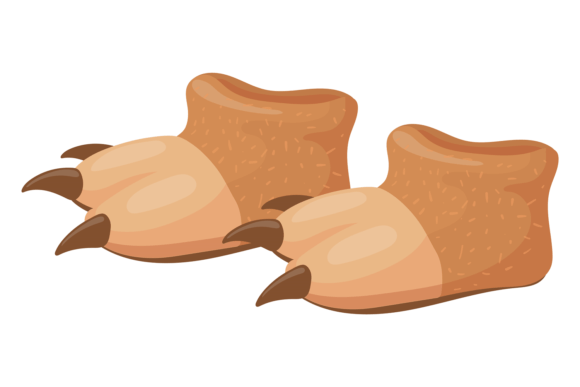
At first glance, the Bear Foot Slippers. Funny Home Soft Shoe design exudes a cozy, whimsical charm. It captures that specific "hygge" aesthetic that sells incredibly well during the colder months. The shape is rounded and inviting, avoiding sharp angles that can sometimes cause tension issues in stitching. The visual personality is distinct; it feels like a character rather than just an object. This is crucial for embroidery because designs with a strong narrative element tend to engage customers more deeply on platforms like Etsy or at local craft fairs.
The layout appears balanced, which is a green flag for conversion into a machine embroidery design. However, as a reviewer, I immediately started mentally mapping out how the curves would translate into satin stitch versus fill stitch. The simplicity of the bear foot silhouette suggests it could work beautifully as a standalone motif on a sweatshirt or as part of a larger nursery scene. The isolation on a white background makes it easy to visualize against various fabric textures, but the true test lies in how the details hold up when scaled down for smaller hoops.
Real-World Application: From Digital File to Finished Product
Imagine you are preparing a line of custom apparel for the upcoming holiday season. You need a design that appeals to parents looking for personalized gifts for their children or couples wanting something cute for their home decor. The Bear Foot Slippers. Funny Home Soft Shoe fits perfectly into this niche. I can see this design working exceptionally well on a heavy cotton tote bag or a fleece-lined sweatshirt. The soft, fuzzy nature of the subject matter pairs naturally with the texture of these fabrics.
For a small shop product, such as a personalized baby blanket or a nursery pillow cover, this graphic offers immediate recognition. Unlike complex illustrations that get lost in dense stitching, this design relies on bold shapes. If you were to convert this into an embroidered patch, the clean lines would likely result in a crisp edge definition, making it a high-value addition to a denim jacket or a backpack. For the Etsy seller, using this as a tote bag design or sweatshirt embroidery creates a finished product that looks professional without requiring excessive thread trimming.
I also considered its use in holiday embroidery projects. The theme of warm slippers is inherently seasonal. Placing this design on a kitchen towel or an apron could serve as a delightful hostess gift. The humor in the "funny home soft shoe" concept adds a layer of personality that elevates a standard handmade item into a conversation starter. In a boutique setting, this kind of design asset helps build brand consistency around comfort and playfulness.
Navigating Technical Challenges and Fabric Constraints
While the potential is high, there are specific scenarios where the Bear Foot Slippers. Funny Home Soft Shoe requires careful handling. Embroidery is not one-size-fits-all, and even the best graphics have limitations. First, consider the hoop size. If you attempt to fit this design into a very small 4x4 inch hoop, the intricate details of the paw pads or facial features might become muddy. Always check the minimum recommended dimensions before starting your project.
Fabric texture plays a massive role here. On smooth cotton or twill, the design will pop. However, on highly textured fabrics like chunky knits or bouclé, the stitches may sink in, reducing the clarity of the image. Similarly, thin or stretchy fabrics require significant stabilizer support. Without proper backing, the weight of the thread could pucker the material, ruining the soft, cozy vibe the design intends to convey. Dark fabrics present another challenge; while the design is available in formats like transparent PNG which help with visualization, you must ensure your thread colors offer enough contrast against black or navy backgrounds.
Curved surfaces, such as caps or hats, demand extra attention. The roundness of the bear foot might distort slightly on the brim of a cap unless the digitizing is specifically adjusted for curvature. Additionally, avoid placing this design in areas that undergo frequent washing and friction, such as the sole of a shoe or the hem of a garment, as the stitches may wear down faster than expected.
Practical Notes for the Professional Maker
Before committing to a full production run, I strongly advise testing the design on scrap fabric first. This allows you to assess the stitch density and make necessary adjustments to prevent puckering. Check your thread colors carefully; a mismatched palette can ruin the warmth of the bear foot imagery. When reviewing the digital file, inspect the small details to ensure they are large enough to be stitched cleanly. A good rule of thumb is to test the design in black and white mockups to verify the silhouette works before adding color complexity.
Always confirm the licensing terms. Whether you are creating a personalized gift for a friend or selling a commercial embroidery product, understanding what you can and cannot do with the digital embroidery file is essential. Some assets are for personal use only, while others allow for limited commercial sales. As a craft business owner, protecting your revenue stream means ensuring you have the right permissions to sell items featuring the Bear Foot Slippers. Funny Home Soft Shoe.
Impact on Brand Value and Customer Engagement
Ultimately, the choice of design affects the perceived value of your handmade product. A well-executed embroidery project featuring a charming graphic like this builds customer trust. It signals that you care about quality and aesthetics. In a crowded marketplace, unique and relatable designs drive buyer engagement. Customers are more likely to purchase a tote bag or a baby onesie when the artwork feels intentional and high-quality.
The Bear Foot Slippers. Funny Home Soft Shoe has the potential to become a signature piece for a creative entrepreneur focusing on home goods or family apparel. By paying attention to the technical aspects—stabilizer choice, thread tension, and fabric selection—you can transform a simple illustration into a premium finished product. It is not just about stitching a picture; it is about delivering an experience of comfort and joy through your craft.