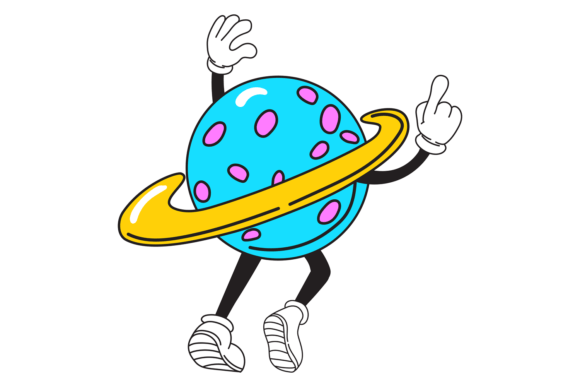
Retro Comic Planet Character: A Designer’s Review
As a designer who has spent countless hours staring at digitized files and watching needles punch through fabric, I have learned that not every graphic translates well to thread. When I first pulled up Retro Comic Planet Character. Cartoon Fu, my immediate reaction was one of cautious optimism. The visual style is bold, playful, and undeniably eye-catching, but the real question for any embroidery professional is always the same: how will this actually stitch out?
This review comes from the perspective of someone preparing a real project. Imagine you are working on a custom order for a local boutique that wants a line of quirky, retro-themed tote bags. You need a design that pops, holds up to washing, and appeals to a broad audience. This is where Retro Comic Planet Character. Cartoon Fu enters the conversation. It is listed under Illustrations and Graphics, which tells us it is versatile, but we need to dig deeper into its practical application for machine embroidery.
First Impressions and Visual Personality
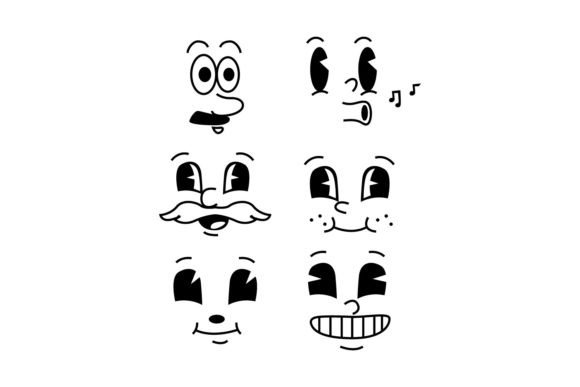
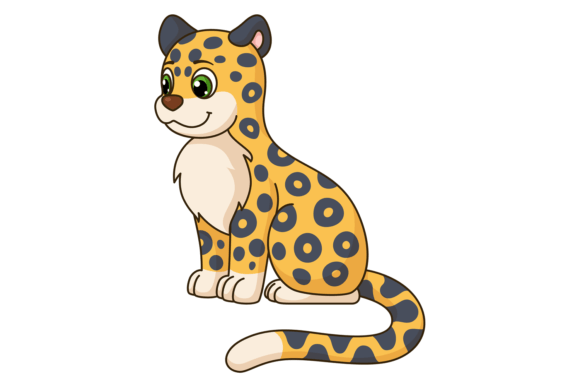
The mood created by this character is lighthearted and nostalgic. The "retro comic" aesthetic suggests thick outlines and flat areas of color, which are generally friendly to embroidery if handled correctly. The character appears isolated on a white background in the preview, which is standard for digital assets like EPS, JPG, SVG, and transparent PNG files. However, as an embroiderer, I am less concerned with the vector lines and more interested in how those shapes convert to satin stitch or fill stitch patterns.
The layout feels balanced. The character does not appear overly complex, which is a good sign for stitch clarity. In embroidery, too much detail in a small space leads to thread breaks and muddy results. This design seems to rely on strong silhouettes rather than intricate internal detailing, making it a strong candidate for various hoop sizes. It feels like it belongs on casual items—think sweatshirt embroidery, canvas tote bag designs, or even a fun embroidered patch for a denim jacket.
Real-World Application Scenarios
Let us look at how this design performs in specific scenarios. If you are an Etsy seller or a small shop owner, versatility is key. I can easily see Retro Comic Planet Character. Cartoon Fu working as a central motif on a baby onesie. The rounded, cartoonish nature of the planet character is soft and approachable, making it suitable for baby embroidery projects. However, because it is a "funny mascot," it also fits perfectly into adult apparel, such as a humorous graphic on a cap or a kitchen apron.
For holiday gifts, this design could be adapted for Christmas ornaments or personalized gift tags if scaled down appropriately. The retro vibe pairs well with current trends in vintage-inspired home decor. Imagine this stitched onto a pillow cover in a mid-century modern living room. The contrast between the digital crispness of the original Graphics file and the textured reality of thread adds a layer of handmade product value that customers appreciate.
If you are creating an embroidered patch, this design is ideal. Patches require bold lines and solid fill areas to remain durable when sewn onto backpacks or hats. The character’s isolation on a white background in the source file makes it easy to trace or convert into an applique design if you prefer using fabric pieces instead of dense thread fills. This reduces stitch count and production time, which is crucial for craft business efficiency.
Technical Considerations for Stitching
While the visual appeal is high, we must address the technical realities. Since the source files are provided as EPS, JPG, SVG, and transparent PNG, you will likely need to digitize this yourself or use auto-digitizing software with caution. Auto-digitizing often fails to account for stitch direction and pull compensation. I recommend manually adjusting the stitch density to ensure the fabric does not pucker.
When working with textured fabrics like terry cloth towels or fleece blankets, you must increase the underlay stitches. The bold nature of the comic style helps here, as minor imperfections in the fill stitch are less noticeable than they would be in a photorealistic design. However, be mindful of small details. If the character has tiny eyes or mouth features, ensure they are not too close together. On stretchy fabric, such as a t-shirt, these small elements can distort if the stabilizer is not sufficient.
Dark fabric presents another challenge. The original image is isolated on white, implying light colors. If you stitch this on a black hoodie, you will need to adjust your thread colors for contrast or add a white underlay base. Always test the design on scrap fabric first. Check thread color contrast against your intended garment. A black and white mockup can help you visualize value and shape before you waste expensive rayon or polyester thread.
Commercial Use and Brand Consistency
For commercial embroidery projects, consistency is vital. If you are building a brand around retro aesthetics, Retro Comic Planet Character. Cartoon Fu can serve as a recognizable asset. It enhances buyer engagement because it stands out from generic floral or monogram designs. Customers trust handmade products that look professional, and a clean, well-stitched comic character conveys competence.
However, you must confirm licensing before selling finished items. The product description mentions it is a digital embroidery file resource, but it does not explicitly state commercial rights for the stitched output. Always verify whether the license allows for unlimited sales of physical goods or if there are restrictions. This is critical for Etsy sellers and independent designers who rely on clear legal standing for their inventory.
Practical Designer Notes
Before you load this into your machine, keep these points in mind:
- Hoop Size: Confirm the maximum dimensions of the design. Ensure it fits comfortably within your hoop without hitting the edges, especially if you are using a smaller hoop for caps.
- Stabilizer Choice: Use a cut-away stabilizer for stretchy garments like t-shirts and sweatshirts to prevent distortion over time. For woven fabrics like tote bags, a tear-away may suffice.
- Thread Selection: High-sheen rayon thread works well for the glossy comic book look, but polyester is more durable for items that will be washed frequently, such as baby clothes or kitchen towels.
- Test Stitch: Always run a test on similar fabric. Check for thread breaks in tight corners and ensure the satin stitch edges are smooth.
- Digital Assets: Keep the original SVG and PNG files for creating printable mockups. These digital embroidery file previews help customers visualize the finished product on your online store.
In conclusion, Retro Comic Planet Character. Cartoon Fu is a promising addition to your library of design assets. It bridges the gap between playful illustration and practical embroidery application. With careful attention to digitization, stabilizer choice, and thread selection, it can elevate your custom apparel and handmade products. It is not just a graphic; it is a tool for creating joy and connection through stitch work. Treat it with the respect it deserves, test it thoroughly, and it will likely become a staple in your small shop product lineup.