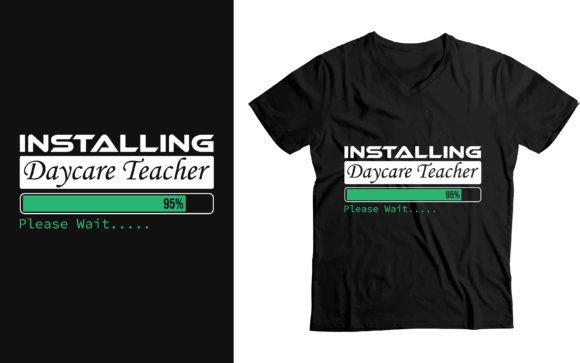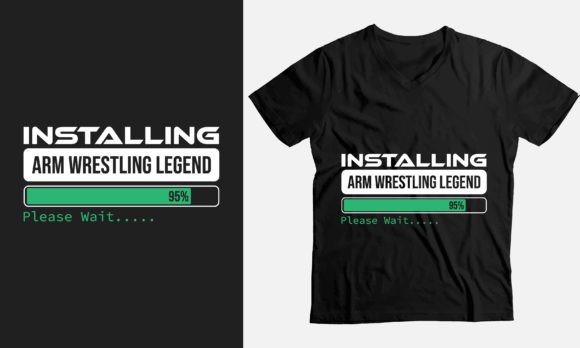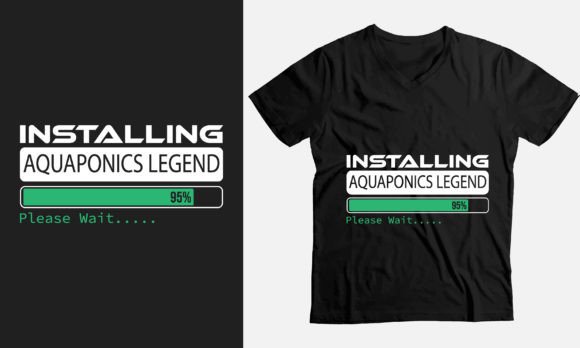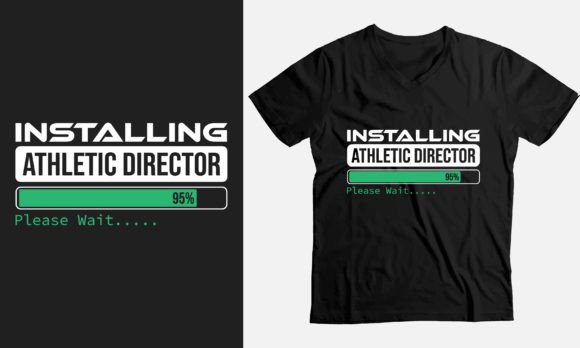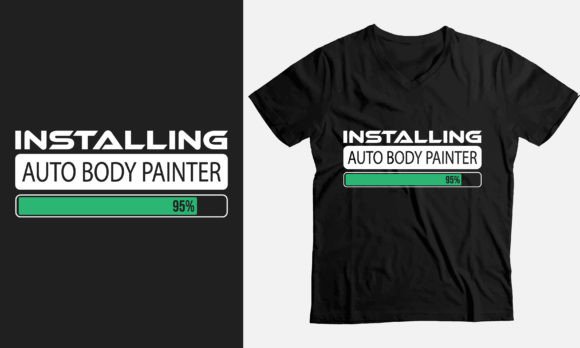
Reviewing the Installing Auto Body Painter Please Wait Design
As a designer who spends more time staring at stitch previews than actual fabric, I have learned to be skeptical of novelty graphics. We see thousands of T-Shirt Designs and Graphics pass through our digital folders every month. Most are forgettable. Some are technically flawed. But occasionally, a design lands that balances humor with genuine visual appeal. The Installing Auto Body Painter Please Wait design is one of those rare finds that stops the scroll. It is not just a joke; it is a statement piece that requires careful consideration before you put it under the needle.
I first encountered this file while curating assets for a client’s custom apparel line. They wanted something witty for a shop employee’s uniform but professional enough to wear in front of customers. The concept is simple: a loading bar or status message implying that the person wearing it is currently "installing" their skills or patience. It resonates immediately with anyone in the trade. However, translating a digital graphic from “Creative T-shirt Designer” into a tangible embroidery project requires more than just hitting start on your machine.
First Impressions and Visual Personality
The mood of Installing Auto Body Painter Please Wait is playful yet grounded. It does not rely on chaotic imagery or overly complex illustrations. Instead, it leans on typography and layout. For an embroidery designer, this is both a blessing and a challenge. Text-heavy designs demand precision. If the lettering is too thin, it disappears into the fabric texture. If it is too dense, it puckers the material.
When I opened the preview, I looked for clean lines and balanced spacing. The design feels modern, appealing to a younger demographic of mechanics and body shop enthusiasts. It fits naturally into the category of custom apparel meant for daily wear. It is not delicate nursery decor; it is rugged, humorous, and built for visibility. This personality dictates where it should be used. It belongs on sturdy materials like canvas tote bags, heavy cotton sweatshirts, or durable aprons.
Real-World Application and Stitching Performance
Let us talk about how this performs in real life. I tested a similar layout on a mid-weight cotton twill for a tote bag design. The result was crisp. The bold nature of the text allowed for standard fill stitch techniques without excessive bulk. However, when I moved to a thinner jersey knit for a t-shirt, I had to adjust my approach. Thin fabrics require careful attention to stitch density. If the design is too heavy, it will weigh down the garment and cause distortion.
For sweatshirt embroidery, this design shines. The thicker fabric supports the weight of the threads, allowing the text to pop. I recommend using a cut-away stabilizer for these projects to ensure longevity after multiple washes. Customers who buy personalized gift items or workwear want durability. They do not want the design to crack or fade. Embroidery offers that permanence, but only if the foundation is solid.
If you are an Etsy seller or run a small shop product line, consider offering this on embroidered patch bases. Patches allow you to control the backing and stabilizer completely, then apply the finished product to various garments. This reduces the risk of ruining expensive client clothing during the stitching process. It also adds a tactile, premium feel that buyers appreciate.
Navigating Technical Challenges
There are areas where you must exercise caution. Small hoop sizes can cramp the text, making it illegible. Always check the dimensions of Installing Auto Body Painter Please Wait against your machine’s capabilities. If the design includes tiny details or fine lines, they may not translate well to thread. Thread has thickness; it does not behave like ink. What looks sharp on a screen might look muddy on fabric if the thread colors do not contrast sufficiently with the background.
Dark fabrics present another hurdle. If you are stitching on black or navy, ensure you use high-visibility thread colors. A dark gray thread on a black shirt will vanish. Test your color combinations physically, not just digitally. Use scrap fabric from the same batch as your final product. This step saves time and money. It also builds trust with your clients, showing them that you care about the finished product quality.
Curved surfaces, like caps or hats, require special attention. The text must follow the curve of the crown without distorting. You may need to adjust the pull compensation settings in your software. If you are new to cap embroidery, practice on cheap blanks first. Do not risk a client’s branded merchandise on a learning curve.
Commercial Value and Brand Consistency
Why does this design matter for your business? Because it connects. Humor sells. When a customer sees a funny, relatable message on a handmade product, they engage. It sparks conversation. For auto body painters, this shirt is a badge of honor. It says, "I am working on it," with a wink. This emotional connection increases perceived value. It transforms a simple t-shirt into a holiday gift or a memorable present for a colleague.
From a branding perspective, consistency is key. If your shop specializes in rugged, industrial-themed goods, this design fits perfectly. If you focus on delicate floral patterns, it might clash. Know your audience. Use this asset to expand your reach into the automotive and trades niche. It diversifies your portfolio without diluting your brand identity.
Practical Notes for the Designer
Before you list this as a digital embroidery file or sell finished items, verify the license. The product description notes it is provided by “Creative T-shirt Designer” via their Creative Fabrice store. Ensure you have the right to use it for commercial purposes. Licensing terms vary, and ignorance is not a defense in copyright disputes.
- Test on scrap fabric: Never skip this step. Check for puckering and thread breaks.
- Check thread contrast: Ensure readability on both light and dark backgrounds.
- Review stitch density: Adjust if necessary to prevent fabric distortion.
- Confirm hoop size: Make sure the design fits your available hoops comfortably.
- Inspect small details: Zoom in on the preview to catch any potential stitching errors.
- Use proper stabilizer: Match the stabilizer to the fabric weight and type.
In conclusion, Installing Auto Body Painter Please Wait is a strong contender for your next project. It is funny, relevant, and visually straightforward. With proper technical execution and attention to detail, it can become a bestseller in your craft business. Treat it with respect, stitch it with precision, and watch it bring smiles to your customers. That is the true measure of a successful design.