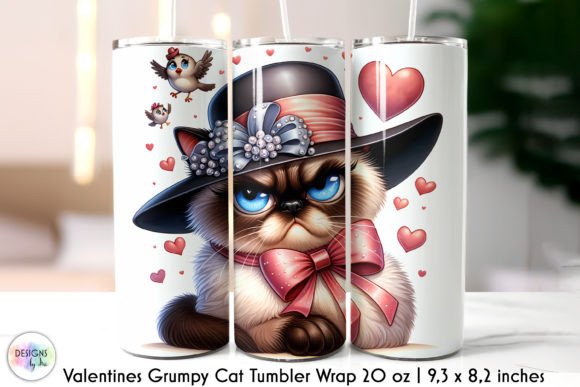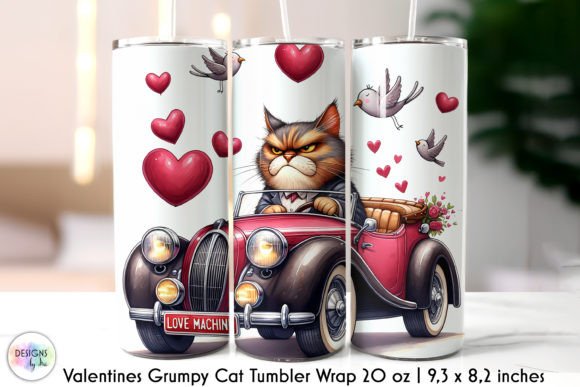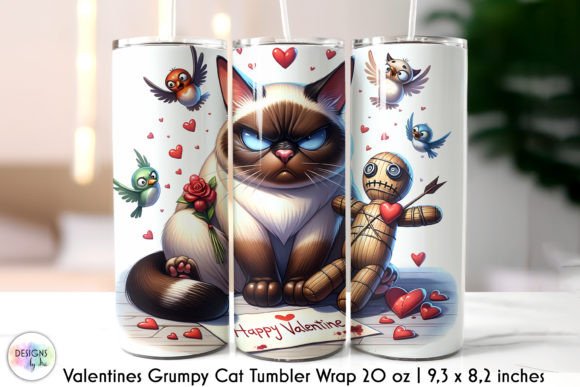
Reviewing the Grumpy Cat Valentine Tumbler Wrap
As a designer who has spent countless hours digitizing and testing embroidery files, I have learned to look past the initial thumbnail appeal. We often see digital assets marketed for specific uses, such as Tumbler Wraps, and we must ask: how does this translate to the needle? The Valentines Day Grumpy Cat Tumbler Design presents an interesting case study. While it is sold primarily as a graphic for sublimation or printing on 20 oz straight tumblers, its visual language offers valuable insights for those of us working in thread.
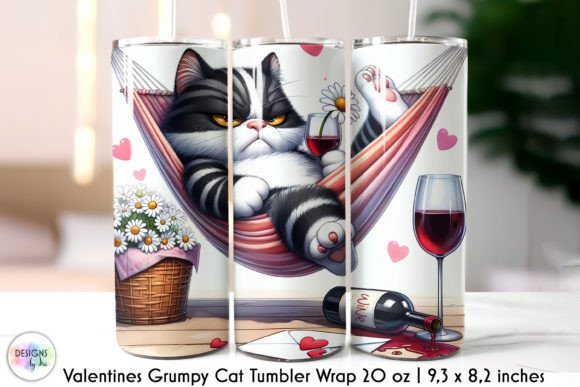
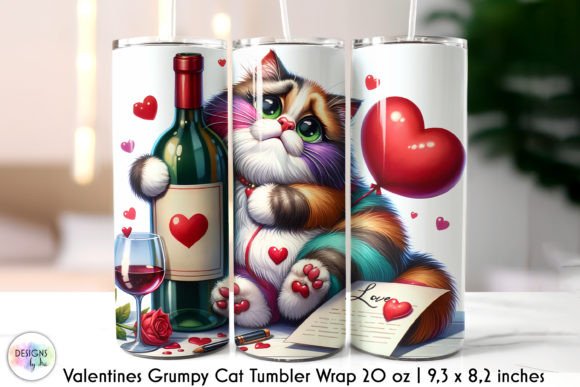
The design features a funny grumpy cat paired with wine illustrations, capturing a mood that is less about traditional romance and more about relatable, humorous affection. This anti-Valentine aesthetic has become a staple in modern craft businesses. When evaluating this asset, I am not looking at it merely as a PNG file for a tumbler, but as a reference for how such imagery performs when translated into a machine embroidery design for custom apparel and home goods.
First Impressions and Visual Personality
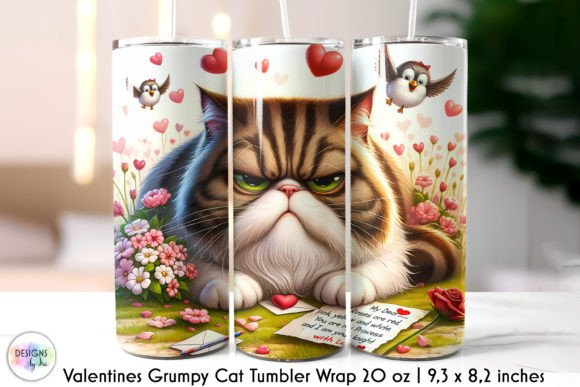
The immediate impression of this artwork is its strong character. The grumpy expression combined with the wine motif creates a narrative that resonates with a specific demographic. For an Etsy seller or small shop owner, this is gold. It moves away from cliché hearts and cupids, offering something with personality. The layout is balanced, with the cat and wine elements occupying the central space effectively within the 9.3 x 8.2 inch dimensions provided.
However, from an embroidery standpoint, the devil is in the details. The original file is a high-resolution PNG, not an SVG or native embroidery file. This means you cannot simply load it into your machine. You must digitize it or use it as a reference for creating your own embroidery file. The line work appears clean, which is promising. Clean lines usually translate well to running stitch outlines or sharp satin stitch borders. But the shading and color gradients in the wine illustration will require careful handling. In embroidery, we cannot print gradients; we must simulate them with thread color changes and stitch angles.
Real-World Application Scenarios
Let us imagine a real-life scenario. A client approaches you for a personalized gift for their best friend who hates typical Valentine’s Day fuss. They want something witty. Instead of a tumbler, they request a high-quality tote bag or a cozy sweatshirt. This is where the Valentines Day Grumpy Cat Tumbler Design serves as excellent inspiration.
For a tote bag design, the bold shapes of the cat would stand out against canvas fabric. You would likely use a fill stitch for the cat’s body to ensure durability and coverage. The wine glass could be rendered with lighter density to prevent puckering on the thinner fabric of a tote. If you were creating a sweatshirt embroidery piece, the texture of the fleece or cotton blend would interact differently with the stitches. A dense design might feel stiff, so adjusting the stitch density is crucial. The humor of the design makes it perfect for holiday embroidery projects that aim for laughter rather than sentimentality.
Consider also a custom apparel line for a boutique. This graphic could be adapted into an embroidered patch. Patches are versatile; they can be ironed onto jackets, hats, or bags. By isolating the cat’s face and the wine glass, you create a compact, high-impact design that works well in smaller hoop sizes. This adaptability increases the value of the original concept, turning a single tumbler wrap idea into a range of handmade product options.
Technical Considerations for Stitching
When translating this graphic into thread, several technical factors come into play. First, consider the thread colors. The original PNG likely uses specific shades of grey, black, and wine red. You must match these with available embroidery threads. Contrast is key. If stitching on a dark fabric, you may need to add a white underlay or outline to make the design pop. On light fabric, ensure the dark threads do not bleed visually due to excessive density.
Fabric texture is another critical variable. Textured fabrics like towels or wool can swallow fine details. The grumpy cat’s facial expression relies on subtle lines. If these are too thin, they may get lost in the pile of a towel. In such cases, simplifying the design or using a thicker satin stitch for the eyes and mouth is advisable. For smooth fabrics like polo shirts or baby clothes, finer details can be preserved, but you must use a proper stabilizer to prevent distortion.
Be cautious with small hoop sizes. If you attempt to shrink this design to fit a 4x4 hoop for a baby embroidery project or a cap, the intricate parts of the wine illustration may become unrecognizable blobs of thread. Always test the design on scrap fabric first. Check the stitch count and density. High-density areas can cause fabric puckering, especially on stretchy materials. For caps, which have curved surfaces, you must account for the distortion that occurs during stitching. A design that looks flat on screen may twist on a cap brim.
Enhancing Product Value and Brand Consistency
Using a well-conceived graphic like this can significantly boost the perceived value of your finished product. Customers appreciate uniqueness. A personalized gift featuring a humorous, high-quality embroidered design feels more thoughtful than a mass-produced item. It builds trust in your brand as a creator who cares about detail and relevance.
For commercial embroidery projects, consistency is vital. If you use this design across multiple products—tote bags, aprons, and pillows—ensure the color palette remains consistent. This helps in building brand recognition. Use printable mockup tools to visualize how the embroidered version will look before you commit to production. This saves time and materials, allowing you to present professional previews to clients.
Remember, the original product description specifies it is a PNG for tumbler wraps, not an SVG or embroidery file. This distinction is crucial for digital embroidery file sellers. You cannot resell the PNG as an embroidery design. You must create your own digitized version. Always check licensing terms before selling items made from inspired designs. Respect intellectual property while leveraging the trend.
Final Designer Notes
To summarize, the Valentines Day Grumpy Cat Tumbler Design is a strong visual asset with high potential for adaptation into embroidery. Its success lies in its relatable humor and clear composition. However, it requires thoughtful digitization. Do not assume the PNG will translate directly. You must manually adjust for stitch types, density, and fabric compatibility.
- Test on various fabrics, including dark and textured materials.
- Verify thread color contrast for maximum visibility.
- Adjust stitch density to prevent puckering on thin or stretchy fabrics.
- Use appropriate stabilizers for each fabric type.
- Confirm licensing rights for commercial use of derived works.
- Create scalable versions for different hoop sizes, avoiding tiny details in small formats.
By treating this graphic as a starting point rather than a final solution, you can create exceptional craft business items that stand out in a crowded market. Whether for a small shop product or a large batch of custom apparel, the key is in the execution. Pay attention to the details, respect the medium, and let the personality of the grumpy cat shine through every stitch.