Review: Installing Athletic Trainer Please Wait, for Embroidery
As a designer who has spent countless hours staring at digitizing software and troubleshooting thread breaks, I approach every new machine embroidery design with a mix of curiosity and skepticism. We have all seen trends come and go in the world of T-Shirt Designs and digital Graphics, but few concepts translate as effectively to stitched media as humor rooted in professional identity. Recently, I evaluated the Installing Athletic Trainer Please Wait, design to determine its viability for real-world commercial and personal projects. This is not just a graphic; it is a statement piece that requires careful consideration of stitch placement and fabric choice.
First Impressions and Visual Personality
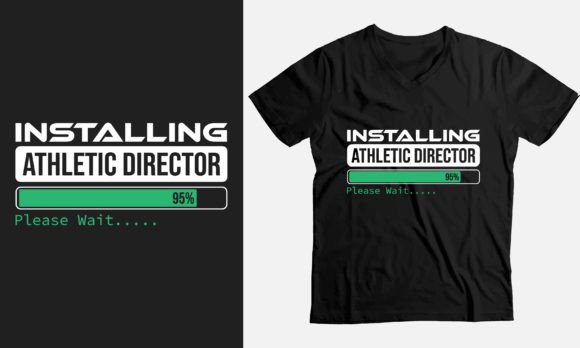
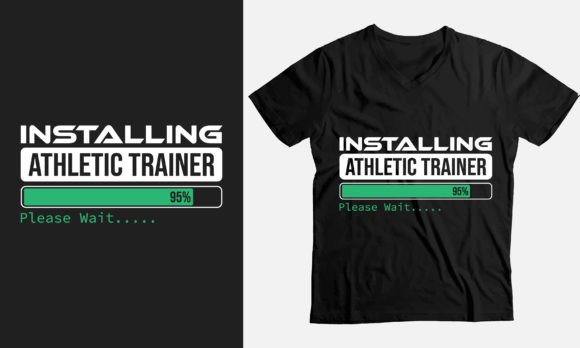
The first thing that strikes you about Installing Athletic Trainer Please Wait, is its clever juxtaposition of tech culture with sports medicine. The visual layout mimics a computer loading screen, a universally recognized symbol of anticipation. For an embroidery project, this is promising because it relies on clean lines and legible typography rather than complex shading or gradient fills. The mood is lighthearted yet professional, making it an ideal candidate for an Athletic Gift that feels personalized without being overly sentimental.
From a design perspective, the simplicity of the concept suggests that the digitizer likely prioritized clarity. In embroidery, clarity is king. If the text is too dense or the icons too small, the machine will struggle, and the final product will look muddy. This design appears to balance negative space well, which is crucial for maintaining the integrity of the message when translated into thread.
Real-World Application: The Custom Sweatshirt Test
To truly understand how Installing Athletic Trainer Please Wait, performs, I imagined a specific scenario: a custom order for a local high school athletic department. The client wanted unique sweatshirt embroidery for their training staff. A standard logo would be boring, but this design offers a conversation starter.
When placing this design on a heavyweight cotton blend sweatshirt, the structure of the letters needs to hold up against the texture of the fleece. I would recommend using a medium-weight cut-away stabilizer to prevent puckering, especially if the design includes any solid fill areas behind the text. The result is a polished, boutique-quality item that elevates the perceived value of the uniform. It moves beyond simple merchandise and becomes a piece of team culture.
Versatility Across Product Lines
Beyond sweatshirts, this design has significant potential across various handmade product categories. Consider the following applications:
- Tote Bag Design: Stitched on a canvas tote, it makes a practical and funny gift for trainers carrying gear.
- Embroidered Patch: Created as a standalone patch, it can be ironed or sewn onto jackets, allowing for easy application on different garments.
- Cap Embroidery: Placed on the side panel of a baseball cap, it adds a subtle touch of personality without overwhelming the curved surface.
- Aprons and Kitchen Towels: For the trainer who also loves to cook, this adds a humorous twist to home goods.
For Etsy sellers and craft business owners, this versatility is key. It allows you to create multiple listings from a single digital embroidery file, maximizing your return on investment. Whether you are selling custom apparel or personalized gifts, the adaptability of the design ensures it fits various market niches.
Technical Considerations and Stitching Challenges
While the concept is strong, executing Installing Athletic Trainer Please Wait, requires attention to technical detail. Not all fabrics behave the same way, and not all machines handle fine text equally well. Here are the critical factors to consider before hitting the start button.
Fabric Texture and Stability: On textured fabrics like terry cloth or heavy fleece, small details can get lost. If the design includes tiny elements resembling pixel art or small icons, ensure they are large enough to stitch cleanly. On stretchy fabrics, such as performance wear often used by athletic trainers, proper stabilization is non-negotiable. A tear-away stabilizer might suffice for woven cotton, but knit fabrics demand cut-away support to maintain shape after washing.
Thread Colors and Contrast: The "loading screen" aesthetic typically implies a dark background with light text, or vice versa. When stitching on dark fabric, use high-contrast thread colors. A white or bright neon thread on navy or black fabric ensures readability. Conversely, if stitching on light fabric, choose a bold, dark thread. Always test your color combinations on scrap fabric first. What looks good on screen may not have the same impact in thread.
Stitch Density and Type: Evaluate whether the design uses satin stitch for borders and fill stitch for larger areas. High-density fills can make garments stiff and uncomfortable, which is counterproductive for athletic wear. If the design allows, consider reducing the density slightly for items that need to remain flexible. Running stitch details should be checked for continuity to avoid frequent thread trims.
Commercial Viability and Brand Consistency
For small shop product creators, the professionalism of the finished stitch directly impacts customer trust. A messy embroidery job can damage your brand reputation, while a crisp, clean execution builds loyalty. Installing Athletic Trainer Please Wait, lends itself well to commercial embroidery because it is timely and relevant. It appeals to a specific demographic—athletic trainers, physical therapists, and sports enthusiasts—who are often underserved by generic gift markets.
When creating printable mockup images for your online store, ensure the digital representation matches the physical reality. Use high-quality photos of the stitched item on actual garments rather than relying solely on digital overlays. This transparency helps manage customer expectations and reduces return rates.
Designer Notes for Best Results
- Check Licensing: Before selling finished items, confirm the license terms provided by “Creative T-shirt Designer.” Visit their Creative Fabrice store to ensure commercial use is permitted.
- Test Hoop Size: Ensure the design fits comfortably within your hoop size without needing to re-hoop, which can cause alignment issues.
- Inspect Small Details: Zoom in on the digitized file to check for unnecessary jump stitches or dense clusters that could cause needle breaks.
- Mockup in Black and White: Review the design in grayscale to ensure the contrast is sufficient regardless of thread color choices.
In conclusion, Installing Athletic Trainer Please Wait, is a strong contender for your next embroidery project. It combines humor with professional pride, offering a fresh alternative to standard sports logos. By paying attention to fabric choice, stabilization, and thread contrast, you can transform this design asset into a high-value finished product that resonates with customers. Whether for a holiday embroidery gift or a year-round small business staple, this design proves that thoughtful digitizing and practical application go hand in hand.